NHL Returns to Olympic Ice: Tracing Pro Hockey's Global Impact
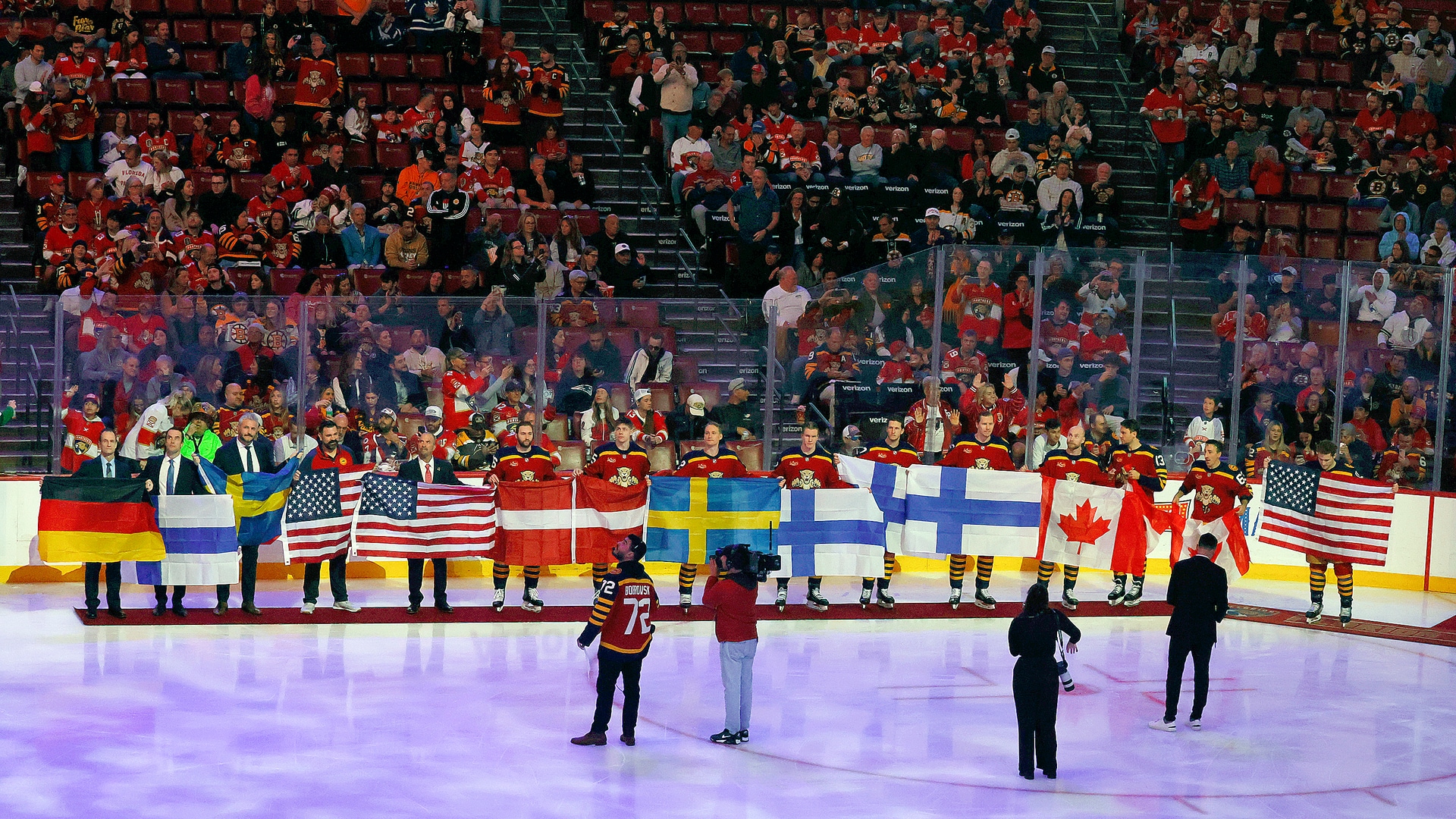
The roar of the crowd, the crisp bite of the winter air, and the electrifying speed of the game – there's nothing quite like Olympic Ice Hockey. For fans and players alike, the news that National Hockey League (NHL) stars will once again grace the Olympic stage starting in 2026 has reignited a passion for international competition that transcends club loyalties. This monumental return marks a full circle moment for a sport deeply entrenched in the Games' history, tracing its evolution from amateur showcases to the pinnacle of professional athletic prowess, and underscoring its profound global impact.
The Evolution of Olympic Ice Hockey: From Amateurs to Professionals
Ice hockey's journey at the Olympic Games began way back in 1920, making its debut at the Summer Olympics before permanently settling into the Winter Games program in 1924. For decades, the tournament adhered to the Olympic ideal of amateurism. This era, however, saw its integrity challenged by the rise of "state-sponsored amateurs" from Eastern Bloc nations. These athletes, nominally students or workers, were in reality full-time, state-funded professionals, creating an uneven playing field for self-financed Western competitors.
The International Olympic Committee (IOC) eventually recognized this disparity, voting in 1986 to permit professional athletes to compete from 1988 onwards. While a landmark decision, the NHL initially remained hesitant. The league's primary concern revolved around the timing: the Olympics are held mid-season, necessitating a significant halt in play if many of its star players participated. This hesitation meant that while other sports embraced professionals, Olympic Ice Hockey wouldn't see its top professional talent until the 1998 Nagano Games. The subsequent periods of participation (1998-2014) and absence (2018, 2022) only amplified the debate around the importance of NHL involvement for the tournament's prestige and global appeal. For a deeper dive into this fascinating shift, explore The Evolution of Olympic Ice Hockey: Amateurs to NHL Stars.
Iconic Moments and Dominant Dynasties on Olympic Ice
The history of Olympic Ice Hockey is rich with unforgettable moments and legendary dynasties that have captivated audiences worldwide. In the early decades, Canada asserted its dominance, claiming six out of seven gold medals from 1920 to 1952. Their Winnipeg Falcons secured the inaugural gold in 1920, setting a formidable standard.
However, the mid-20th century ushered in a new era of supremacy. The Soviet Union, leveraging systematic state-sponsored training programs, burst onto the scene in 1956 and quickly became the sport's global powerhouse. They secured seven gold medals in nine tournaments, fundamentally altering the competitive landscape. Their disciplined, highly skilled teams were a force to be reckoned with, creating rivalries that transcended sport and often mirrored geopolitical tensions.
Amidst this Soviet reign, the United States etched its name into Olympic lore with two remarkable gold medal victories. The first came in 1960 in Squaw Valley, but it was their 1980 triumph in Lake Placid, famously dubbed the "Miracle on Ice," that became one of the greatest upsets in sports history. A team of amateur and collegiate players stunned the seemingly invincible Soviet juggernaut, before going on to win gold, symbolizing the power of underdog spirit and national pride. Canada, after a 50-year drought, reclaimed gold in 2002, followed by back-to-back victories in 2010 and 2014, showcasing a resurgence that delighted a nation. Other nations like Great Britain (1936), Sweden (1994, 2006), and the Czech Republic (1998) have also celebrated their moments in the sun. To relive these epic battles and the rise and fall of hockey's greatest teams, check out Olympic Ice Hockey Dynasties: Canada, Soviets, and Modern Gold.
The NHL's Olympic Journey: A Return to the Global Stage
The return of NHL players to Olympic Ice Hockey in 2026 is not merely a logistical agreement; it's a profound statement about the value of international competition for both the league and the sport. During the periods of NHL participation from 1998 to 2014, the tournament format underwent several adjustments to accommodate the league schedule. Initially, a preliminary round was played without NHL players or the top six national teams, followed by a final round featuring the professionals. By 2006, the format evolved to include full NHL player participation from the outset, showcasing the world's best talent throughout the entire tournament.
The decision by the NHL to skip the 2018 and 2022 Winter Games was met with widespread disappointment from fans, players, and national federations. While valid concerns regarding schedule disruption, player injuries, and the economics of halting play persisted, the absence of stars like Sidney Crosby, Connor McDavid, and Auston Matthews undeniably diminished the tournament's overall spectacle and competitive edge. The 2026 agreement signifies a renewed recognition that the global exposure and legacy created by NHL stars representing their countries far outweigh the logistical challenges. It’s a win for fans who crave the highest level of competition and for players who cherish the unique honor of wearing their national colors. Furthermore, the distinct IIHF rules, which differ slightly from NHL rules (e.g., larger ice surface, different fighting rules, no trapezoid behind the net), add another layer of strategic intrigue, challenging even the most seasoned professionals to adapt their game.
The Global Impact of Olympic Ice Hockey and What's Next
The re-inclusion of NHL players in Olympic Ice Hockey is poised to have a monumental global impact. For one, it elevates the visibility of the sport to an unparalleled degree. The Olympics offer a platform far broader than any single league, exposing hockey to billions of casual sports fans who might not regularly follow the NHL. This exposure is crucial for inspiring new generations of players and growing the fan base in non-traditional hockey markets.
From a competitive standpoint, the return of top professionals guarantees the highest quality of play, making every game a must-watch event. This intensifies national rivalries, creating narratives that captivate audiences and ignite passionate discussions. The "best-on-best" format fosters incredible drama, potentially leading to new "Miracle on Ice" moments or solidifying current dynasties. For national hockey federations, the certainty of NHL participation allows for better long-term planning regarding player development and team selection. It also reinforces the idea that excelling in international competition is a key part of a player's career aspirations, driving individual performance and national pride.
Practical Insight: Keep an eye on how different nations leverage their NHL talent. Countries with strong representation, like Canada, the U.S., Sweden, Finland, and Russia, will undoubtedly be formidable, but the compressed tournament schedule and unique IIHF rules mean that team chemistry, coaching strategy, and even goaltending hot streaks can create unexpected outcomes. The Olympics are not just about individual stars; they're about how those stars coalesce into a cohesive, patriotic unit.
The NHL's return to the Olympic stage is more than just a scheduling agreement; it's a reaffirmation of Olympic Ice Hockey's status as a premier international sporting event. From its humble beginnings as an amateur pursuit to its current iteration showcasing the world's elite professional talent, the sport has consistently delivered drama, national pride, and unforgettable moments. As 2026 approaches, the anticipation builds for new legends to be forged, new rivalries to ignite, and the global impact of professional hockey on the grandest stage to once again captivate the world.