The Evolution of Olympic Ice Hockey: From Amateur Dreams to NHL Spectacle
Few sports encapsulate the spirit of international competition and the shifting landscape of athletic ideals quite like Olympic Ice Hockey. What began as a contest for genuine amateurs has transformed into a global showcase featuring the world's most elite professional athletes. From its debut over a century ago to its current status as a highlight of the Winter Games, the journey of Olympic Ice Hockey reflects profound changes in sports philosophy, geopolitical dynamics, and the very definition of an "athlete."
From Amateur Ideals to State-Sponsored Supremacy
The story of Olympic Ice Hockey commenced at the 1920 Summer Olympics in Antwerp, marking its initial foray into the Olympic program. Just four years later, in 1924, it found its permanent home as a cornerstone of the newly established Winter Olympic Games. For decades, the Olympic movement staunchly upheld an amateur ethos, prohibiting professional athletes from competing. This philosophy was initially championed to maintain a level playing field, valuing participation and sportsmanship over commercial gain.
However, this amateur ideal began to fray, particularly with the rise of the Eastern Bloc countries during the Cold War era. Nations like the Soviet Union pioneered a system of "state-sponsored amateurism." While their athletes were nominally employed as students, soldiers, or workers, many were, in reality, paid by the state to train full-time. This provided an undeniable, professional-level advantage over the self-financed amateurs of Western nations, who balanced training with jobs or studies. The playing field, once theoretically level, tilted dramatically in favor of these meticulously organized, government-funded programs. This period saw the early dominance of Canada, winning six of the first seven gold medals from 1920 to 1952, largely due to their superior club-level talent. However, the Soviet Union, entering the fray in 1956, quickly eclipsed this by winning seven of the next nine tournaments, establishing a new Olympic Ice Hockey Dynasties: Canada, Soviets, and Modern Gold.
The philosophical conundrum deepened: was an athlete truly an amateur if their entire life was subsidized for sport? The stark competitive imbalance eventually necessitated a reevaluation of the Olympic rules.
The Professional Revolution: Welcoming NHL Stars
The debate over amateurism culminated in a landmark decision by the International Olympic Committee (IOC) in 1986, which voted to allow professional athletes to compete in the Olympic Games starting in 1988. This move paved the way for a radical transformation in Olympic Ice Hockey, although the National Hockey League (NHL) was initially hesitant.
The primary concern for the NHL was the timing: the Winter Olympics are typically held in the middle of the NHL regular season. Allowing a significant number of its star players to participate would necessitate halting league play, a logistical and financial challenge for team owners. However, the allure of the global stage and the opportunity to showcase the world's best hockey talent ultimately proved too strong. A groundbreaking agreement was reached, and NHL players were officially admitted to Olympic Ice Hockey starting with the 1998 Winter Olympics in Nagano, Japan. This was a monumental moment, elevating the tournament's profile and making it a true best-on-best competition.
The impact was immediate and profound. The influx of NHL talent brought unprecedented skill, speed, and intensity to the Olympic stage, captivating audiences worldwide. The move transformed the tournament into a global spectacle, attracting new fans and solidifying ice hockey's place as one of the marquee events of the Winter Games. While the NHL temporarily opted out of the 2018 and 2022 editions due to various factors, the league has since committed to returning for the 2026 Games and beyond, recognizing the immense value and global reach of Olympic participation. This significant development underscores the enduring connection between the NHL Returns to Olympic Ice: Tracing Pro Hockey's Global Impact.
Evolution of Tournament Formats and Rules
Beyond the shift in player eligibility, the structure and rules of Olympic Ice Hockey have also undergone significant evolution to adapt to the changing landscape of the sport and the needs of a professional league. Initially, from 1924 to 1988, the men's tournament typically started with a round-robin series of games, with medals awarded based on points accumulated in a final round. This format, while straightforward, could sometimes lack the dramatic knockout punch of direct elimination.
The modern era brought with it a craving for more intense, high-stakes contests. In 1992, playoffs were reintroduced to the tournament for the first time since its inaugural 1920 edition, adding an exciting knockout stage to the medal hunt. The admission of NHL players in 1998 necessitated further adjustments. To accommodate the NHL schedule, a unique format was introduced: a preliminary round was played without NHL players or the top six pre-seeded teams (Canada, the Czech Republic, Finland, Russia, Sweden, and the United States). These top teams, with their NHL stars, then entered a final round, joining the qualifiers from the preliminary stage. This ensured that the premier talent was involved in the critical latter stages of the competition.
By 2006, the format was streamlined further, with every team playing five preliminary games, fully utilizing their NHL players from the outset. This allowed for a more consistent display of top-tier talent throughout the tournament. It's also worth noting that Olympic Ice Hockey games follow the rules of the International Ice Hockey Federation (IIHF), which differ subtly but significantly from those used in the NHL. For instance, the IIHF typically uses a larger ice surface, leading to more open play and emphasizing skating and puck possession over physical grit. Other differences include rules on fighting, obstruction, and the goaltender's trapezoid, all of which influence game strategy and player selection.
Another crucial development was the introduction of the women's tournament at the 1998 Winter Olympics. This milestone provided a much-deserved platform for elite female hockey players, adding another layer of excitement and expanding the global reach of Olympic Ice Hockey.
Iconic Moments and Enduring Legacies
The history of Olympic Ice Hockey is studded with legendary teams and unforgettable moments that have etched themselves into sports lore. Canada's early dominance set the stage, with teams like the Winnipeg Falcons securing the first gold in 1920 and establishing a dynasty through 1952. Nations like Czechoslovakia, Sweden, and the United States were also strong contenders during this period, claiming multiple medals.
However, the Soviet Union's arrival in 1956 marked a new era of supremacy. Their state-sponsored system produced highly skilled, disciplined teams that redefined international hockey, winning seven of nine tournaments they entered between 1956 and 1988. This era of Soviet dominance was punctuated by one of the greatest upsets in sports history: the 1980 "Miracle on Ice." A young, amateur United States team defeated the seemingly invincible Soviet juggernaut, a moment that transcended hockey and became a powerful symbol of determination and national pride.
Canada, after a 50-year drought, dramatically reclaimed gold in 2002, a victory that resonated deeply across the nation, especially with the tournament featuring NHL stars for the first time. They followed this with back-to-back gold medals in 2010 and 2014, solidifying their modern-day status. Other nations have also tasted Olympic glory, including Great Britain in 1936, the Unified Team in 1992 (following the collapse of the Soviet Union), Sweden in 1994 and 2006, and the Czech Republic in 1998.
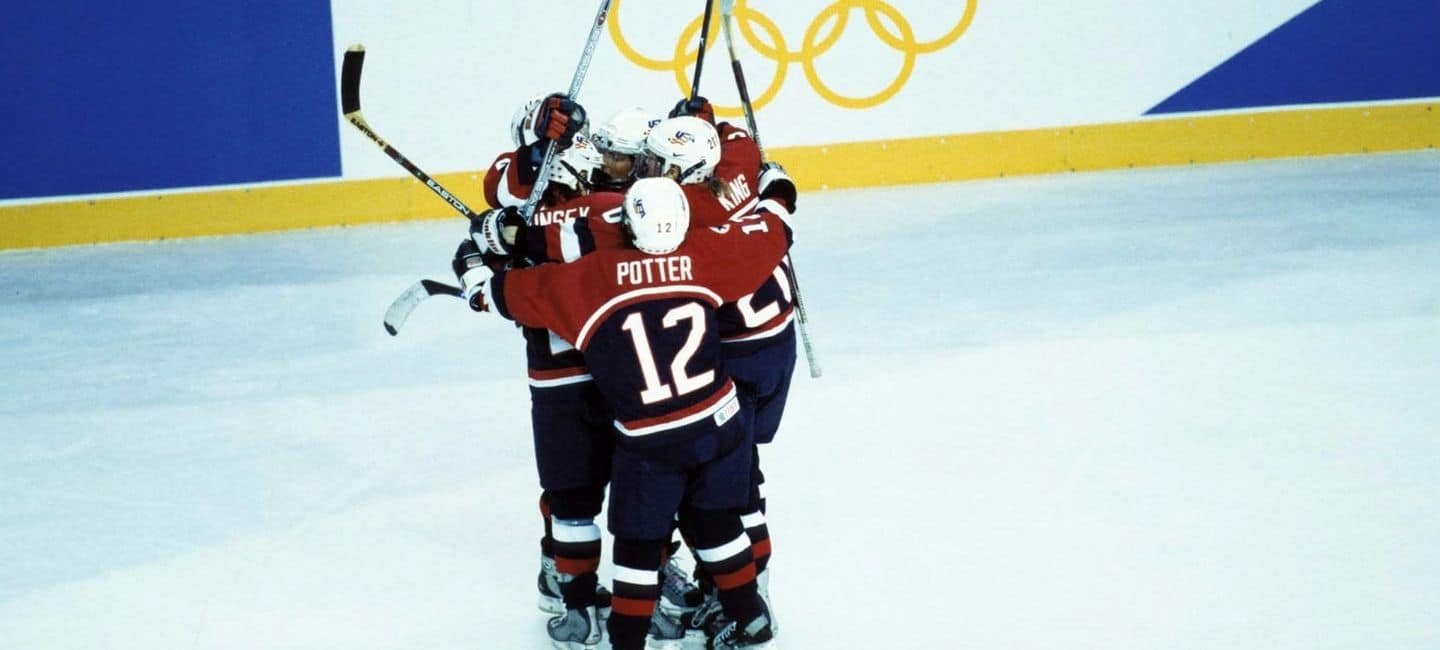
The women's tournament has also produced fierce rivalries and thrilling contests, particularly between Canada and the United States, who have historically dominated the gold medal matches since 1998.
The Enduring Appeal and Future of Olympic Ice Hockey
The evolution of Olympic Ice Hockey from a strictly amateur affair to a professional showcase is a testament to the sport's enduring appeal and the Olympic movement's adaptability. The inclusion of NHL players has undeniably elevated the quality of play, increased global viewership, and brought the highest level of the sport to the world stage. It's a unique blend of national pride, individual brilliance, and tactical team play that captures the imagination of millions.
Looking ahead to 2026 and beyond, the confirmed return of NHL players promises to reignite the magic of "best-on-best" competition. This decision reaffirms the Olympic Games as the pinnacle of international ice hockey, offering fans the chance to witness rivalries unfold and new heroes emerge. The journey from a quaint summer exhibition to a high-octane winter spectacle highlights not just the growth of the sport, but also the dynamic spirit of the Olympic movement itself. Olympic Ice Hockey continues to evolve, promising more thrilling chapters in its rich and storied history.